Instruments
Before a song exists, there is a room. A guitar neck. A pad. A signal chain. This is where it begins — and where every sound you hear on a FORM release was born.
Before a song exists, there is a room. A guitar neck. A pad. A signal chain. This is where it begins — and where every sound you hear on a FORM release was born.
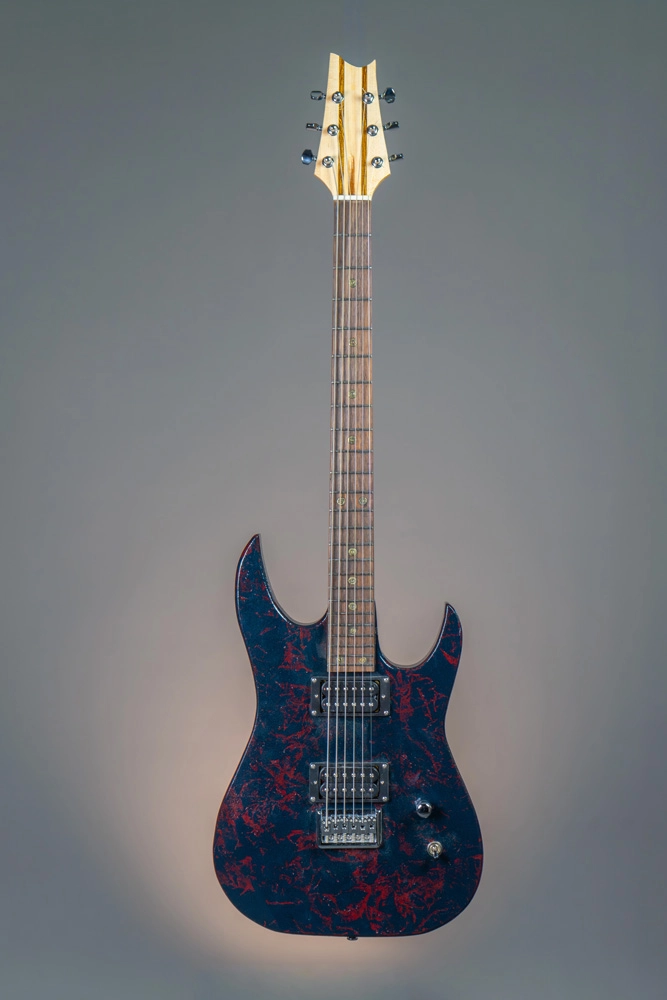
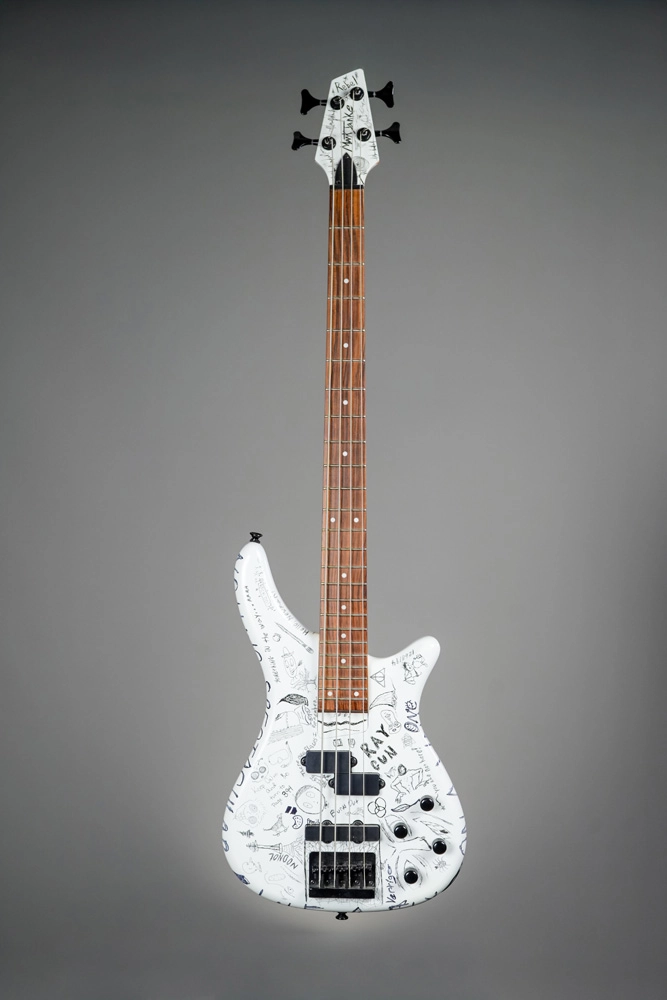
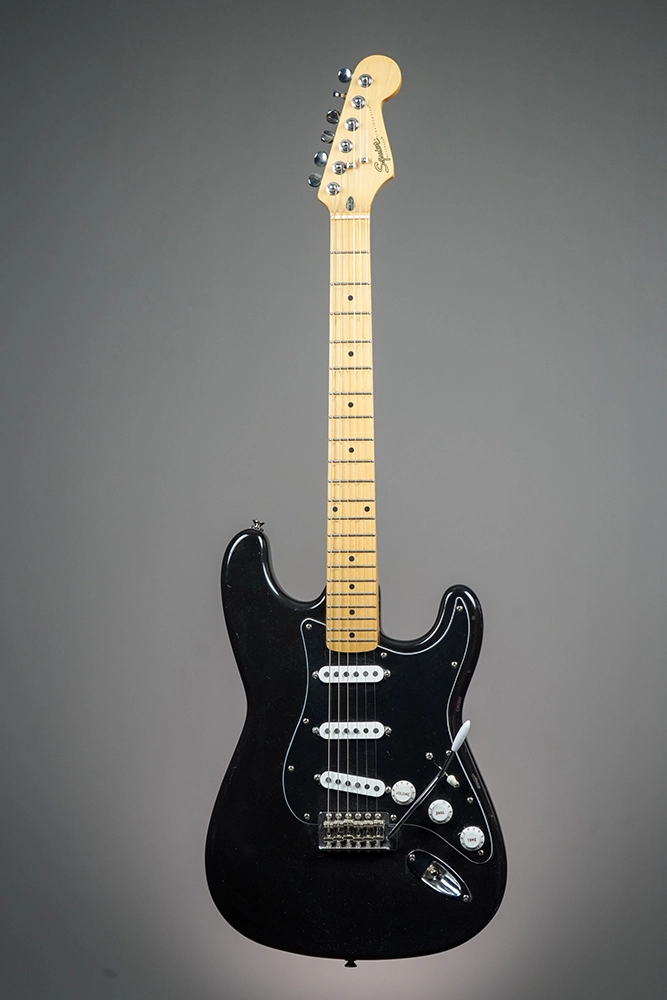
Custom-Built Guitars
You can hear a mass-produced guitar. Maybe you can’t describe why, but you can hear it. There’s a homogeneity to the resonance — a predictability that sits fine in most mixes but disappears into the background in the ones that matter.
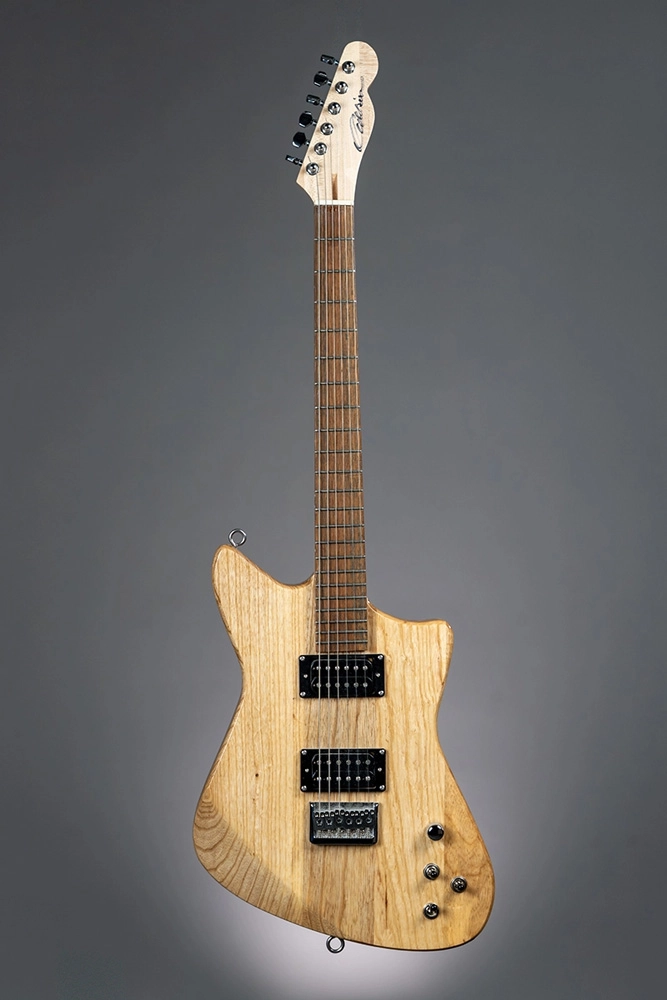
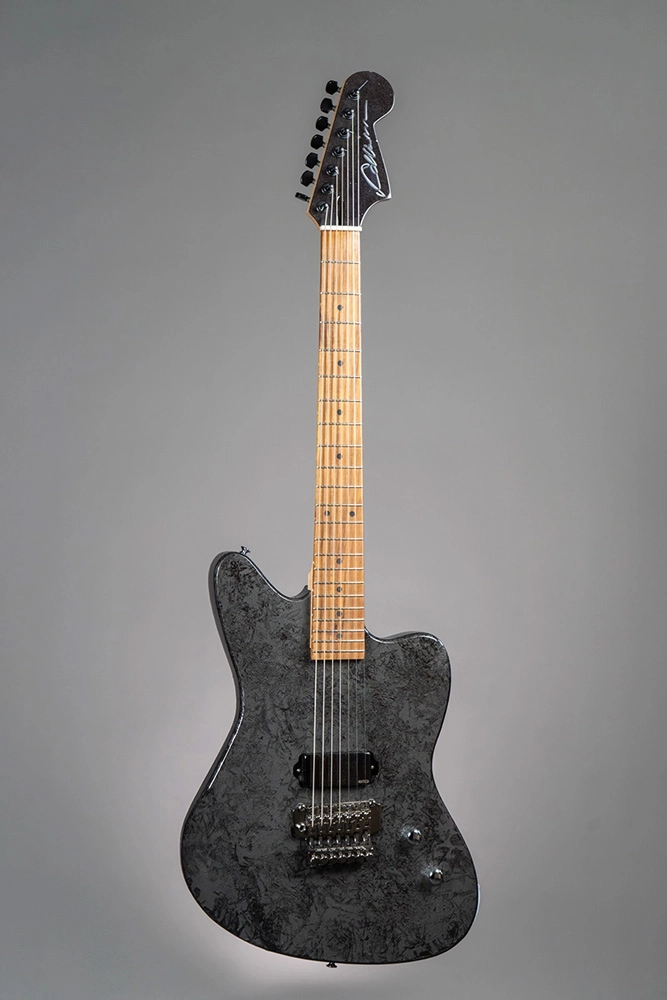
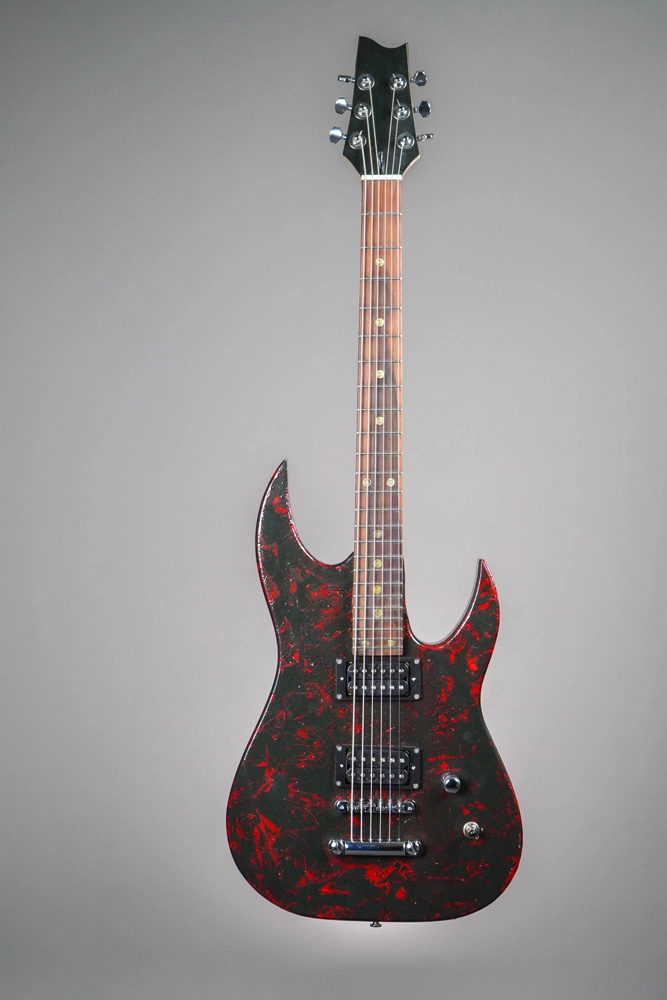
Every guitar on a FORM release is either built by FORM personally or commissioned from Duane at Woodshoprocks.com and Elite Custom Guitars — a custom luthier whose work is built around the specific sonic demands of the music, not around what’s hanging on the wall of a chain guitar store. The result: instruments with a character that is genuinely unique. Tuned, weighted, and voiced for the kind of downtuned, atmospheric heaviness that Cold Arc demands and the softer tension that runs through Oleanderia.
If you’ve heard something in the guitar work that you couldn’t quite place — that’s not a plugin. That’s the wood.
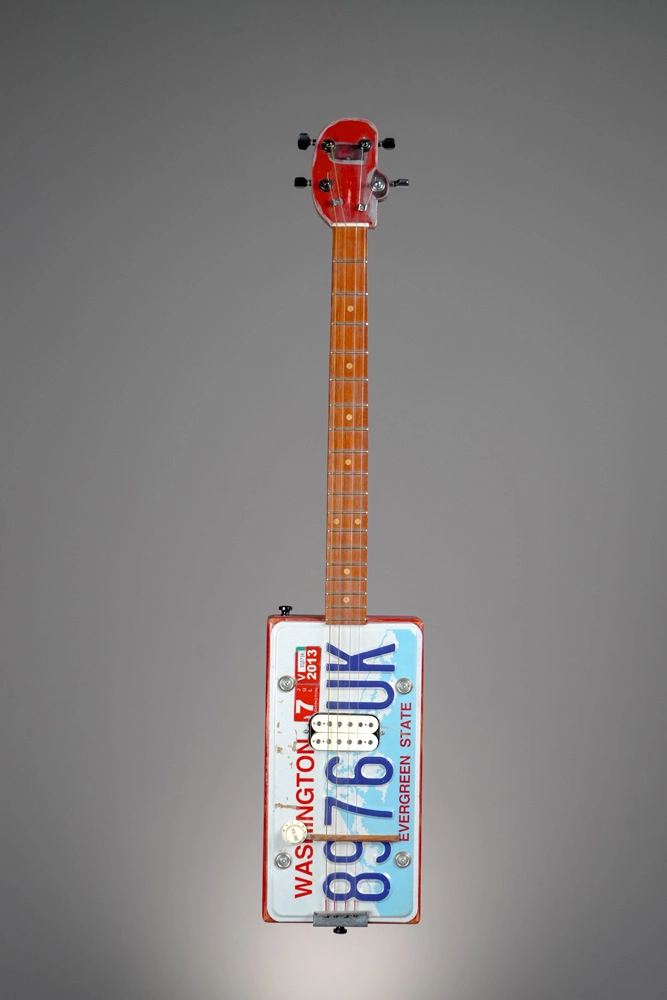
Guitars Modded and Built by FORM
Every one of these instruments has custom paint, custom hardware, and custom wiring. The License Plate Guitar goes further than that — it’s 100% a FORM original. No base model, no serial number from someone else’s factory floor. Just an idea, a set of materials, and the same hands that play it.
What does that mean in practice? It means when you hear a tone on a FORM track that you can’t Google your way to identifying — there’s a reason. You’re hearing something that, in its exact form, exists nowhere else. Not in a gear forum. Not in a manufacturer’s catalog. Only on this record.
Keyboard
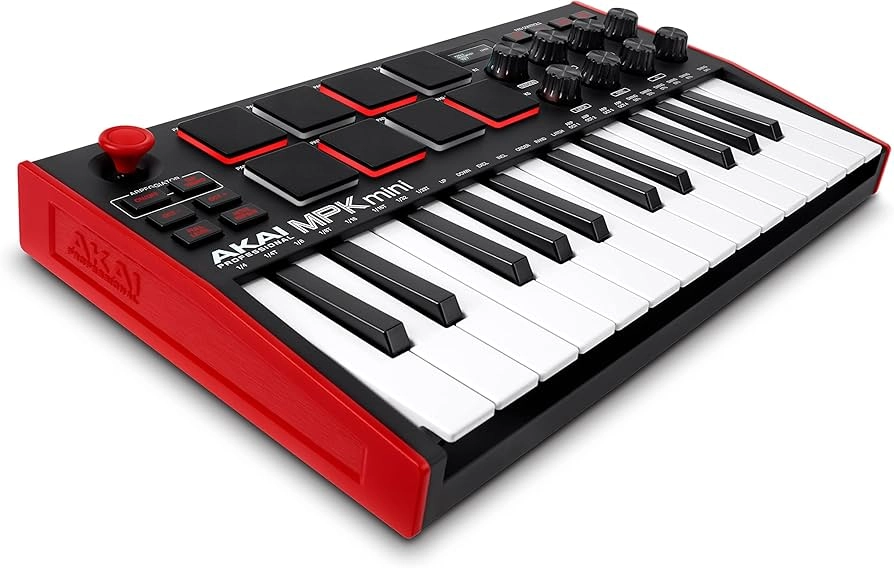
The Akai keyboard with MPC-style pads is where the electronic and the organic shake hands. It handles keys, leads, atmospheric pads, and layered instrumentation — and in the context of FORM’s production approach, it’s the bridge between the crushing physicality of a custom guitar and the textured, cinematic space that trip hop requires.
What makes it interesting isn’t the hardware itself — it’s how it’s used. FORM builds instrumentation from scratch rather than reaching for presets, which means the pads become part of a compositional vocabulary that serves the song first and the genre second.
Voice Sampling
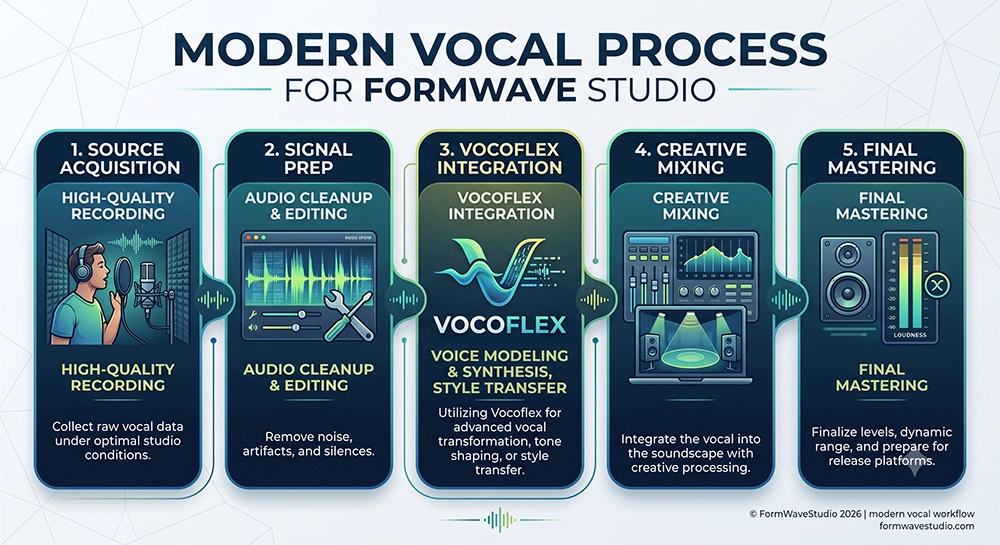
This one surprises people. The vocal performances you hear on FORM releases are not traditional takes in the way most listeners imagine. VocoFlex — a vocal plugin that changes or perfects live vocals— is used here as a tool for vocal enhancement: a recorded performance is replaced with voice samples, giving FORM complete control over the tonal quality, texture, and character of every vocal part.
The result is a voice that behaves like an instrument. One that can be tuned, sculpted, and placed in a mix with the same precision as a guitar or a synth pad. It’s an unconventional approach that fits an unconventional producer — and it’s part of why the vocal texture on these songs fits each genre so well.
Instrumentation Matters
You’re here because something in the music connected. Maybe it was the weight of the guitars on Broken Signal. Maybe it was the atmosphere on Underpass. Whatever it was, it came from these tools…and from 30+ years of instinct behind the hands using them.
FORM Wave Studio is not a band. It’s not a collective. It’s one person making deliberate choices at every level of production from the wood in the neck of a custom guitar to the way a voice sample sits in a final mix. The instrumentation isn’t a technical footnote. It’s the reason the music sounds the way it does.
If you want to talk about it — about the guitars, about the approach, about what might be possible. The contact page is right here.